The roofing industry has undergone a remarkable transformation in recent years. What was once a straightforward decision between a handful of traditional materials has evolved into a landscape filled with innovative options that blend functionality, sustainability, and advanced technology. Today’s homeowners face an exciting array of choices, each offering unique benefits that go far beyond simple shelter from the elements.
The Evolution of Roofing Technology
Modern roofing has moved well beyond the basic function of keeping rain and snow out of our homes. Today’s cutting-edge roof types integrate energy efficiency, environmental consciousness, and smart technology to create systems that actively contribute to a home’s performance. These innovations respond to growing concerns about climate change, rising energy costs, and the desire for homes that work smarter, not harder.
Solar-Integrated Roofing Systems
Perhaps no innovation has captured the imagination of homeowners quite like solar-integrated roofing. Unlike traditional solar panels that sit conspicuously atop existing shingles, these modern systems incorporate photovoltaic technology directly into the roofing material itself. The result is a seamless appearance that maintains your home’s aesthetic while generating clean, renewable energy.
These systems work by converting sunlight into electricity that can power your home, with excess energy often flowing back to the grid for credit. The technology has advanced to the point where efficiency rates continue to climb while costs gradually decrease, making this option increasingly accessible to average homeowners. The dual function of protection and power generation represents a fundamental shift in how we think about our roofs.
Cool Roofing Technology
Cool roofs represent another significant leap forward in roofing innovation. These systems use specially designed materials with high solar reflectance and thermal emittance properties. In simpler terms, they reflect more of the sun’s rays and release absorbed heat more efficiently than traditional roofing materials.
The benefits extend beyond mere comfort. By reducing heat absorption, cool roofs can significantly lower cooling costs during warm months. This technology proves particularly valuable in regions with hot climates or extended summer seasons. The materials come in various forms, including reflective coatings, specialized shingles, and tiles designed specifically for optimal heat reflection.
Self-Healing and Smart Materials
The frontier of roofing technology includes materials that can actually repair minor damage automatically. These self-healing materials contain special compounds that activate when damage occurs, filling small cracks and preventing them from expanding into larger problems. While still emerging, this technology promises to extend roof lifespans significantly and reduce maintenance needs.
Smart roofing materials go even further, incorporating sensors that can monitor the roof’s condition, detect leaks before they become visible inside the home, and even communicate with home automation systems. Some advanced systems can adjust their properties based on weather conditions, optimizing performance in real-time.
Metal Roofing Innovations
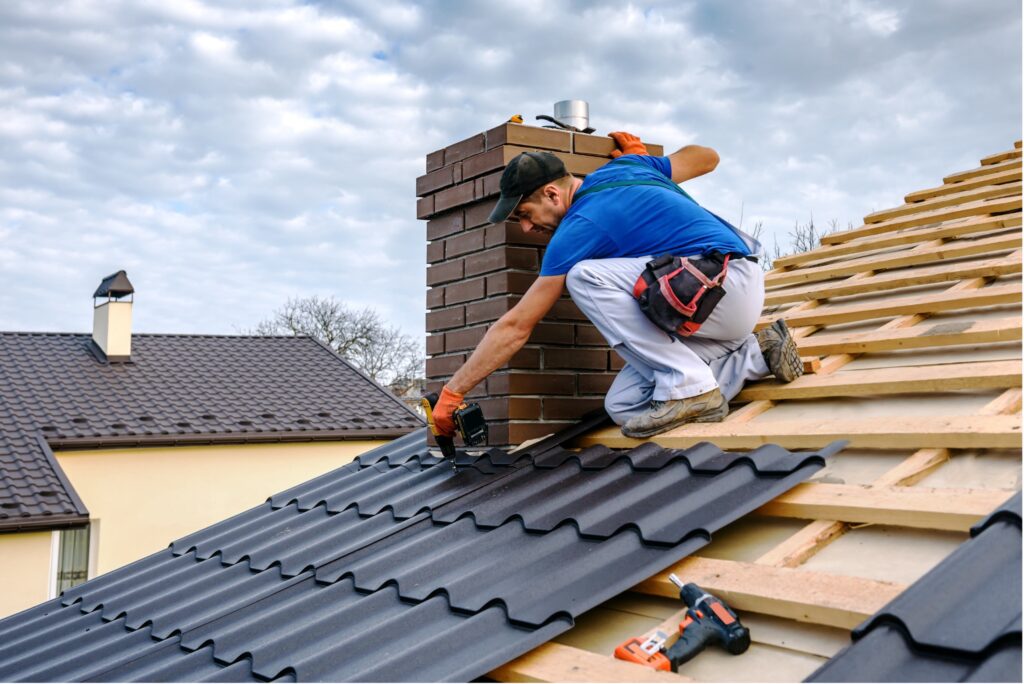
Metal roofing has experienced a renaissance thanks to modern manufacturing techniques and design innovations. Today’s metal roofs bear little resemblance to the industrial-looking corrugated panels of the past. Contemporary options include styles that convincingly mimic traditional materials like slate, tile, or wood shake while providing the durability and longevity metal is known for.
Advanced coating technologies have enhanced metal roofing’s already impressive performance. These coatings improve energy efficiency, resist fading, and can even include antibacterial properties. The lightweight nature of metal makes it ideal for many applications, and its recyclability appeals to environmentally conscious homeowners.
Synthetic and Composite Materials
Modern chemistry has produced synthetic roofing materials that combine the best attributes of traditional options while eliminating many drawbacks. These composites can replicate the appearance of natural slate, cedar shakes, or clay tiles with remarkable accuracy, but they’re lighter, more durable, and often more affordable.
Roof installation of these materials requires understanding their unique properties, but the results can be exceptional. Many synthetic options resist impact damage, won’t support mold or algae growth, and maintain their appearance for decades without the maintenance natural materials demand.
The Role of Advanced Underlayment
While not visible from the street, innovations in underlayment technology have dramatically improved roof performance. Modern synthetic underlayments offer superior water resistance, better tear strength, and can remain exposed to weather for extended periods during installation without degrading. Some advanced options include breathable membranes that allow moisture to escape from below while preventing water intrusion from above.
Energy Efficiency Across All Types
Regardless of the specific roofing type you choose, energy efficiency has become a central consideration in modern residential roofing design. Building codes increasingly emphasize thermal performance, and homeowners recognize that an efficient roof can significantly impact utility bills. Many innovative roofing systems now carry Energy Star ratings, helping homeowners make informed decisions about long-term operating costs.
Making Your Decision
The abundance of innovative roofing options represents opportunity rather than complication. Each type offers distinct advantages, and the right choice depends on your specific priorities, whether that’s energy efficiency, environmental impact, aesthetic preferences, or long-term value.
Understanding these cutting-edge options empowers you to make informed decisions about one of your home’s most critical components. As roofing technology continues advancing, homeowners benefit from systems that perform better, last longer, and contribute positively to both household economics and environmental sustainability.
If you’re considering upgrading to one of these innovative roofing systems, consulting with experienced professionals who understand the latest technologies can help you navigate the options and find the perfect solution for your home. Learn more about modern roofing solutions and expert guidance at Greystone Roofing.
Frequently Asked Questions
How long do these innovative roofing systems typically last?
Lifespan varies considerably by type. Metal and some synthetic systems can last half a century or more, while solar-integrated systems typically offer warranties spanning several decades. Living roofs, with proper maintenance, can actually extend the lifespan of the waterproof membrane beneath them beyond what traditional roofing would achieve.
Are cutting-edge roofing options more expensive upfront?
Many innovative systems do carry higher initial costs compared to traditional asphalt shingles. However, the total cost of ownership often tells a different story. Energy savings, reduced maintenance, longer lifespans, and potential incentives or rebates can make these options financially competitive or even advantageous over time.
Can I install these systems on any home?
Most homes can accommodate various innovative roofing types, but certain considerations matter. Structural capacity becomes important for heavier systems like living roofs. Solar integration works best with adequate sun exposure and appropriate roof orientation. A professional assessment can determine which options suit your specific situation.
Do innovative roofing materials require special maintenance?
Maintenance requirements vary. Some modern materials actually require less maintenance than traditional options, while systems like living roofs need regular care similar to any garden. Solar-integrated roofs benefit from occasional cleaning to maintain efficiency. The key is matching the system to your willingness and ability to provide appropriate care.
Will these roofing types work in my climate?
Climate considerations are important, and most innovative roofing types have been developed with specific conditions in mind. Cool roofs excel in hot climates, while certain metal systems perform exceptionally in areas prone to heavy snow. Living roofs require climate-appropriate plant selection. Professional guidance ensures you choose a system optimized for your local weather patterns.