When it comes to protecting your commercial property, few decisions carry more long-term impact than choosing the right roofing system. Your roof is not just a structural necessity — it is a major investment that affects energy costs, maintenance schedules, interior comfort, and the overall lifespan of your building. Yet with so many roofing options available, many building owners and property managers find themselves asking the same question: which commercial roofing solution is actually right for my building?
The answer depends on a range of factors unique to your property, including the building’s design, local climate, budget, and how the space is used. This guide walks you through the most common commercial roofing systems, what sets them apart, and how to determine which one best fits your needs.
Understanding the Basics: Flat and Low-Slope Roofing
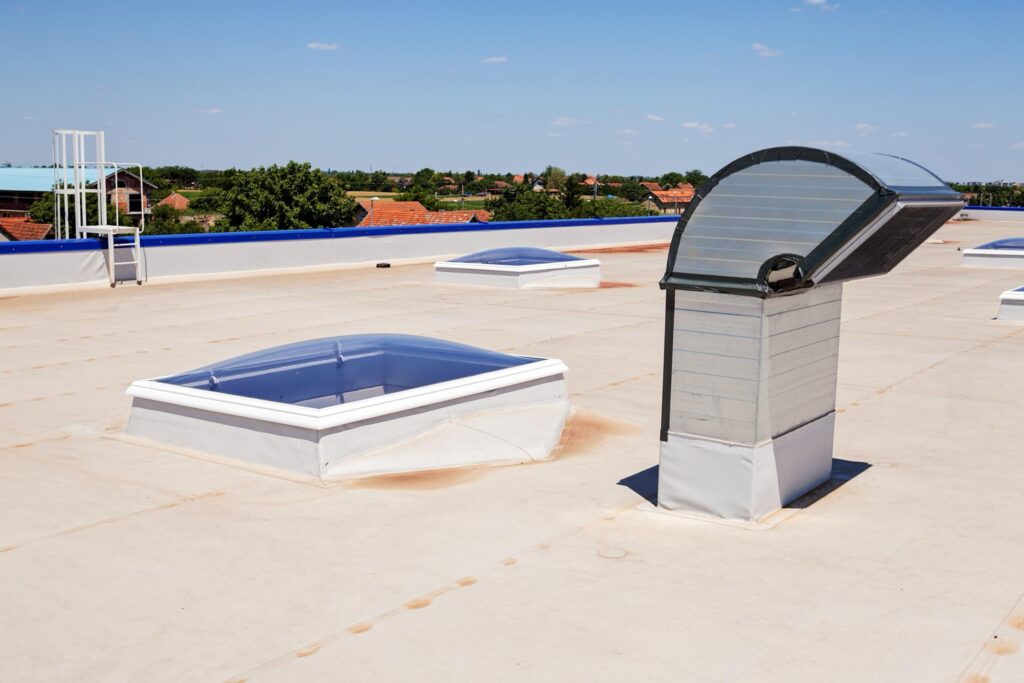
Most commercial buildings feature either a flat or low-slope roof, which sets them apart from the steep-pitched roofs commonly seen on residential properties. While these roofs may appear completely flat, they typically have a slight pitch to allow for drainage and prevent standing water from accumulating.
The distinction between flat and low-slope roofing is mostly technical — both are designed to handle the unique demands of commercial structures, including rooftop HVAC equipment, foot traffic for maintenance, and large surface areas. What matters most is the type of roofing membrane or material installed on top, which determines performance, durability, and cost.
Common Commercial Roofing Systems Explained
There are several widely used commercial roofing systems, each with its own strengths and ideal use cases.
Single-ply membranes are among the most popular choices today. These lightweight, flexible sheets are installed in a single layer and come in a few key varieties. Some are known for their exceptional heat-reflective properties, making them ideal for buildings in warmer climates where energy efficiency is a priority. Others excel in cold climates, offering superior resistance to extreme temperature fluctuations. Single-ply systems are generally cost-effective to install and relatively easy to repair when damage occurs.
Built-up roofing has been a reliable commercial standard for well over a century. This system consists of multiple alternating layers of reinforcing fabric and bitumen, topped with a protective surface layer. The result is an exceptionally durable and watertight roof that can withstand heavy foot traffic and harsh weather. It is particularly well-suited for buildings that require a robust, long-lasting solution and can support the additional weight of multiple layers.
Modified bitumen is essentially a modern evolution of traditional built-up roofing. It combines the time-tested reliability of bitumen with polymer modifiers that improve flexibility and performance, especially in climates that experience dramatic seasonal temperature swings. This system is a strong middle-ground option for building owners who want durability without the complexity of a full multi-layer installation.
For buildings with a slightly steeper slope, or those prioritizing longevity above all else, metal roofing is a compelling option. Metal roofs are highly durable, fire-resistant, and can last significantly longer than many other materials with minimal maintenance. They are also increasingly popular for their sustainability, as metal is often recyclable at the end of its service life.
Key Factors to Consider When Choosing a Roofing System
No single roofing system is universally the best choice. The right option depends on several important considerations. Climate plays a major role — buildings in hot, sunny regions benefit most from highly reflective membranes that reduce cooling loads, while colder climates call for materials with superior insulation and flexibility. Your building’s structural load capacity also matters, as heavier systems require a frame that can support the added weight. Budget is another key factor, since some systems have lower upfront costs but require more frequent repairs, while others cost more initially but offer decades of low-maintenance performance. Finally, consider your energy efficiency goals and how much ongoing maintenance your team can realistically manage.
Why Working With Commercial Roofing Contractors Matters
Even with a solid understanding of the different roofing systems available, making the final decision on your own can be risky. Commercial roofing is a highly specialized field, and the quality of the installation is just as important as the material itself. This is where experienced commercial roofing contractors play a critical role.
Qualified commercial roofing contractors bring the expertise to assess your building’s specific conditions — from structural load capacity and drainage patterns to local building codes and manufacturer warranty requirements. They can identify pre-existing issues that might compromise a new installation, recommend the most appropriate system for your situation, and ensure the work is completed to the highest standards.
When vetting contractors, look for verifiable experience on commercial projects similar in size and scope to yours, proper licensing and insurance, and strong references from past clients. A trustworthy contractor will conduct a thorough roof assessment before recommending any solution and will provide a clear, detailed proposal explaining the scope of work, timeline, and warranty coverage.
Maintenance: The Key to Maximizing Your Roof’s Lifespan
Regardless of which roofing system you choose, ongoing maintenance is essential to protecting your investment. Even the most durable commercial roofs can suffer premature failures when inspections and routine upkeep are neglected. A proactive maintenance program — including regular inspections, prompt repairs of minor damage, and keeping drains clear of debris — can dramatically extend your roof’s service life and help you avoid costly emergency repairs.
Ready to Find the Right Roofing Solution for Your Building?
We specialize in helping building owners and property managers navigate the complexities of commercial roofing — from initial assessment to full installation and long-term maintenance. Whether you are planning a new installation, facing urgent repairs, or simply want an honest assessment of your current roof’s condition, we are here to help. Contact us today to schedule a free, no-obligation roof inspection and get personalized guidance from a team that puts your building first.
Frequently Asked Questions
How long does a commercial roof typically last?
The lifespan varies significantly depending on the system installed, the quality of installation, local climate, and how well the roof is maintained. Regular inspections and timely maintenance are the most effective ways to maximize longevity regardless of the system chosen.
Can a new roof be installed over an existing one?
In some cases, yes — but it is not always advisable. If the existing roof has significant moisture damage or structural issues, installing over it can trap those problems and lead to even more costly repairs later. A professional inspection will determine whether a tear-off is necessary.
How do I know if my roof needs replacement or just repairs?
If your roof is relatively young and the damage is localized, repairs are likely the more economical choice. However, if it is approaching the end of its expected service life or experiencing repeated leaks across multiple areas, replacement may be the smarter long-term investment. A qualified roofing professional can help you weigh the options honestly.
What is the most energy-efficient commercial roofing option?
Highly reflective membranes — often called cool roofs — are top performers in warm climates. The best choice depends on your specific climate and energy goals.
How often should a commercial roof be inspected?
Most professionals recommend at least twice a year — typically in spring and fall — as well as after any major weather event. Regular inspections allow minor issues to be caught before they become serious problems.